Skip to content
Ant — Pest Control

Pest Control · Glendale, CO

Pest Control in Glendale, CO: Rodent Control, Ant Extermination and Cockroach Extermination

Glendale packs a lot of housing into a small footprint mid-rise apartments, older brick blocks, and mixed-use buildings along Colorado Boulevard and near Infinity Park. That density means one unit's ant trail or roach problem rarely stays contained for long.

  • Serving since 2014
  • Colorado pesticide applicator licensing
  • General liability insurance
  • National Pest Management Association membership

Request a quote

Tell us what you need and we will call you back.

Request a quote

We treat the building pattern, not just the unit. Our team handles rodent control, ant extermination, cockroach extermination, bed bug treatment, and wasp nest removal across the 80246 zip code. Glendale's semi-arid Front Range climate shapes what we see: four distinct seasons bring changing pest pressures, and dry high-altitude air means low humidity can reduce some indoor pest survival but bed bugs and rodents thrive indoors regardless of the weather outside. We schedule around your building's access rules, explain what we find in plain language, and follow up when the treatment plan calls for it. Call (855) 681-0299 and tell us what you're seeing we'll tell you what it likely is and what it takes to fix it.

How to Get Pest Help Near Cherry Creek Trail in Glendale

Glendale sits right against the Cherry Creek Trail and the greenway corridor that follows it, and residents near Infinity Park know how irrigated landscaping and greenbelt plantings keep moisture in the soil through summer. That moisture draws ants and other soil pests toward foundations, and spring snowmelt can increase basement moisture in older brick buildings a combination we see drive repeat ant pressure every year. When heavy rain displaces ants from saturated ground, they move indoors fast.

We serve all of Glendale from our Colorado dispatch, schedule around apartment access windows, and give you a written plan before any treatment starts. Expect a real inspection, a plain explanation, and follow-up visits when the biology of the pest calls for them.

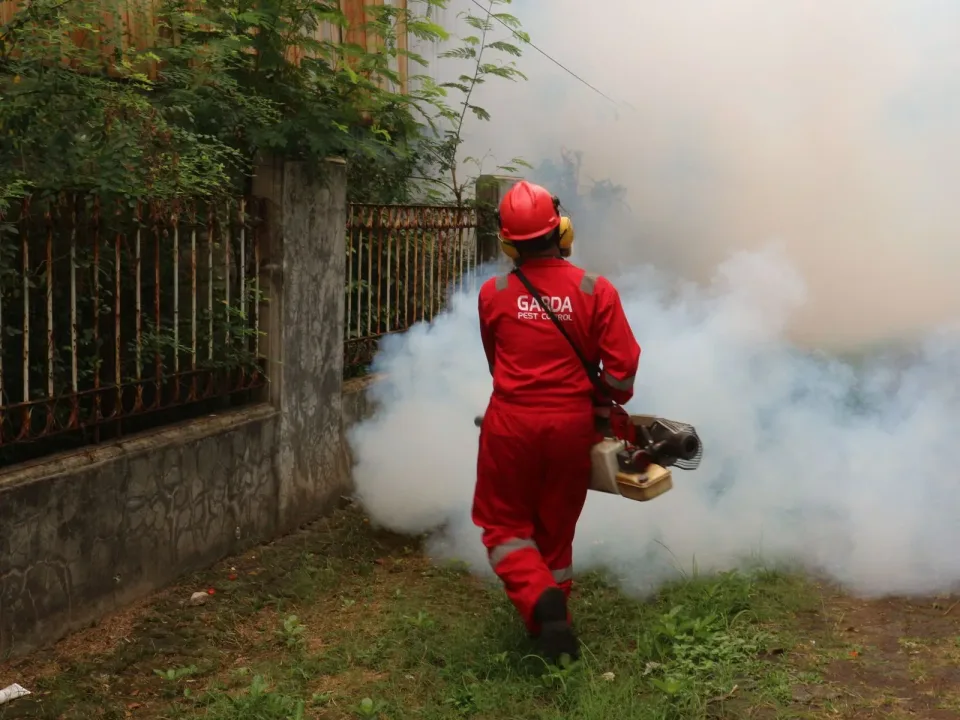
Pest Control Technician — Outdoor Service

Rodent Control, Ant Extermination and Cockroach Extermination in Glendale

Three calls dominate our Glendale schedule. First, rodents in mid-rise and older brick apartment buildings: cold winters drive rodents indoors, and a mouse needs only a ¼-inch gap while a rat needs ½ inch we inspect foundations and utility penetrations, then seal and trap.

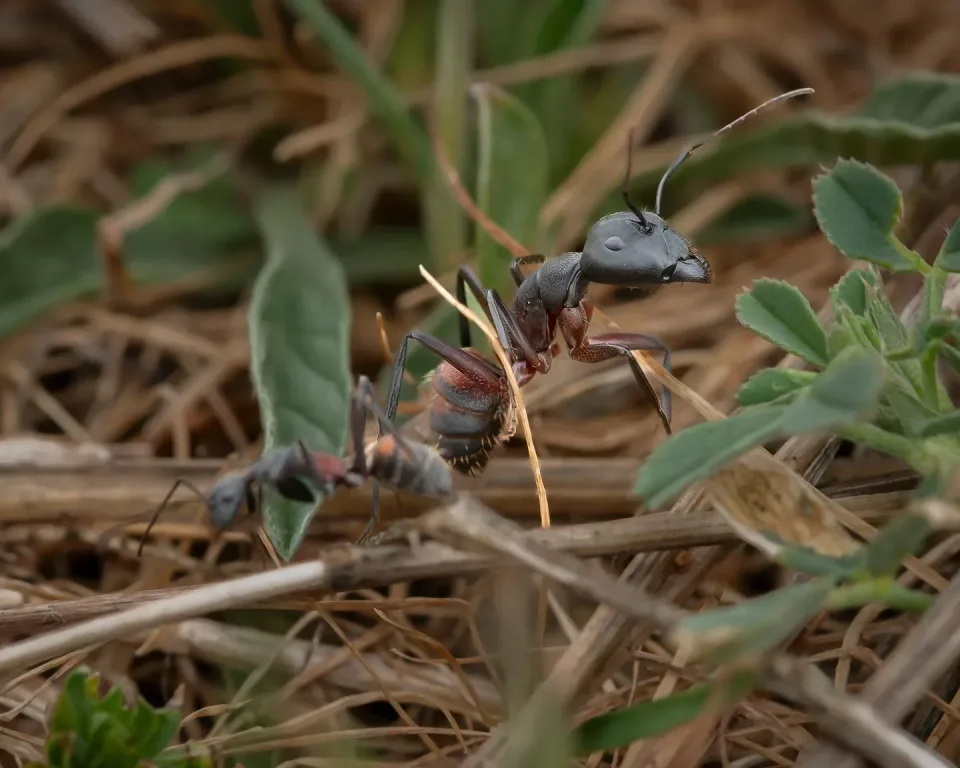
Second, ant trails crossing kitchen counters, usually after monsoon-season thunderstorms bring localized heavy rain that floods soil nests. Third, cockroaches appearing near sinks at night in dense housing, where German roaches about 13–16 mm long hide in crack-and-crevice harborages.

Here’s what a typical visit covers:

  • Inspection of the unit and, with building approval, adjacent risk areas
  • Identification of the pest and the entry or moisture source
  • Targeted treatment bait stations, crack-and-crevice work, or exclusion
  • A written follow-up schedule tied to the pest’s biology One check you can make tonight: run a finger along the base of exterior doors and ground-level window frames. If daylight or airflow comes through, pests can too.

We cover every address in 80246, including buildings along East Alameda Avenue and Leets Drive-side blocks near the Cherry Creek retail corridor.

Why Do Glendale Winters Send Rodents Indoors?

Yes Glendale’s winters push rodents indoors, and the housing stock here makes it easy for them. Cold winters drive rodents indoors for warmth, and older brick apartment blocks near Infinity Park have decades of settling, utility penetrations, and weathered mortar joints that give mice exactly the gaps they need.

Summer flips the problem. Summer heat accelerates insect activity, so ant and wasp calls spike from June through August, especially in ground-floor units bordering irrigated greenbelt along the Cherry Creek corridor. And hailstorms a regular Front Range event can damage siding and roof entry points, opening new gaps that let wasps nest under eaves and mice reach attic spaces by fall.

Our crew builds treatment around this calendar. We check rooflines and eaves after hail events, seal entry points before the first hard freeze, and time exterior treatments for the warm months when insects are actually active. Treating at the wrong moment wastes the visit.

Check your own unit: look at the roofline and eaves after the next hailstorm and note any new gaps or shingle damage.

How We Cover Glendale Neighborhoods and Nearby Blocks

Glendale is compact under 4,500 residents so our routes cover the whole city in a single day, and we also serve the adjacent Denver neighborhoods where Glendale’s housing patterns continue. Blocks near the Cherry Creek retail district and the Infinity Park rugby venue are mostly mid-rise apartments and commercial mixed-use buildings, where shared walls turn one unit’s roach problem into a building problem; we coordinate treatment across units when management allows it.

In nearby Capitol Hill and Cheesman Park, older brick walk-ups with basement boilers draw the same winter rodent pressure we see in Glendale’s older blocks. In Five Points and Platt Park, a mix of historic homes and newer infill means we shift between rodent exclusion on century-old foundations and ant extermination on newer construction with landscaped irrigation. Central and Alamo Placita blend apartment density with mature tree cover that harbors wasps and spiders.

Every stop gets the same treatment: inspect first, identify the pest, match the method, and follow up on schedule. Tell us your building type when you call (855) 681-0299 it changes the plan.

Why us

Local Pest Control in Glendale, CO

Colorado Pest Pros treats Glendale properties with inspections and treatment plans built around Front Range conditions.

Local Conditions First

Dry air, snowmelt, and sharp temperature swings change pest activity around Glendale homes and businesses. We plan treatments around those patterns, not a generic checklist, so the work matches what is actually happening on your property.

Inspect Before Treating

Every job starts with an inspection. Technicians identify the target pest, explain what they found, and match the treatment to the pest and the site before any product is applied.

Clear Communication

You get a straightforward explanation of what was found, what we recommend, and why. We record products applied, locations, and service dates, and we schedule follow-ups based on pest activity and your treatment plan.

Our process

How a visit works

Here is how a typical service call moves from first contact to finished work.

01

Schedule the Visit

Call and describe what you are seeing. Our Denver-based team coordinates scheduling and plans routes across Colorado's regional markets, so a technician arrives when expected.

02

Inspect the Property

The technician inspects the site, identifies the pest, and explains the findings in plain terms. You learn what is causing the problem and what treatment makes sense before anything begins.

03

Match Treatment to Pest

Work is matched to the pest and the site, whether that means bed bug treatment, wasp nest removal, or identifying rodent entry points. Products are applied at label rates and approved sites.

04

Follow Up on Activity

We record what was applied, where, and when. Based on pest activity and the treatment plan, we schedule follow-up visits so the problem stays handled instead of returning.

Typical jobs

Typical jobs in Glendale, CO

Across pest control calls, the most common reasons people reach out are rodents, general pest control and ants.

Typical job

Itchy bites appearing overnight in bedrooms

A technician inspects the rooms, confirms whether bed bugs are present, and explains what a heat treatment would involve before providing a quote for the work. The owner gets a clear scope and price for treatment instead of guessing, and can decide how to move forward with the apartment unit.

Typical job

Mouse problem the owner wants stopped quickly

The crew inspects for entry points and activity, identifies where rodents are getting in, and sets treatment matched to the site rather than a one-size approach. The homeowner knows where mice are entering and has a plan to nip the problem in the bud before it spreads through the house.

Typical job

Wasps entering gaps beneath roof eaves

A technician locates the nest and the gaps the wasps are using, removes the nest, and treats the entry area so activity around the eaves stops. The exterior becomes usable again, and sealing the gaps keeps new wasps from moving back into the same spots.
Warning signs

Warning signs to watch for

Mud Tubes on the Foundation

Mud tubes along foundation walls are a classic termite sign. Termites build these pencil-width tunnels to travel between soil and wood. If you spot them, leave them intact for an inspection rather than scraping them off.

Scratching in the Attic

Scratching sounds inside the attic after dark often point to rodents moving through insulation or framing. Noises that repeat night after night usually mean an active nest, not a one-time visitor passing through.

Through the year

Pest activity through the year

Spring

Snowmelt and warming soil wake up ants, wasps, and termites. Spring inspections catch colonies while they are still small, before trails, nests, or mud tubes spread around the property.

Summer

Hail and thunderstorms leave standing water that draws mosquitoes, and heat pushes wasps and ants into overdrive. Summer is when exterior treatments and nest removal matter most.

Fall

Large temperature swings push rodents and other pests toward walls and attics looking for shelter. Sealing entry points and treating activity in fall prevents a winter infestation indoors.

Winter

Snowy, sunny winters drive pests indoors where dry air and steady heat keep them active. Rodents, bed bugs, and roaches do not pause, so winter is a good time for interior service.

Common situations

What changes after service

Ant Trails in the Kitchen

Before

Ant trails crossing the kitchen counters each morning, with the colony still active somewhere out of sight.

After

Trails stop forming after treatment matched to the ant species and site, and the kitchen stays clear with follow-up scheduled on activity.

Before you hire

Questions to ask before hiring

Q1

Are your technicians licensed applicators?

Colorado requires pesticide applicator licensing. Confirming it means the person treating your home is trained on label rates, sites, and reentry directions.

Q2

What do I need to do before the visit?

You may need to keep children and pets away until label instructions allow, and protect food, dishes, and food-contact surfaces. Asking ahead makes the visit go smoothly.

Q3

What are the contract terms?

Understand whether you are committing to ongoing service or a single treatment, what records you receive, and how follow-up visits are handled before you sign.

Ready to get started?

Call to talk through your job in Glendale.

12+

Years serving Glendale

10

Areas served

FAQ

Pest Control FAQs in Glendale, CO

Straight answers for customers in Glendale on pricing, delivery, and scheduling.

Do you treat apartment buildings in Glendale’s 80246 zip code?

Yes. Glendale is largely mid-rise apartments and older brick blocks, so we routinely work with unit tenants and building managers.

We can treat a single unit, but for roaches or bed bugs we recommend coordinating across adjacent units shared walls let pests move between homes. We cover every address in 80246, including buildings near Infinity Park and the Cherry Creek retail corridor.

Why do ants keep coming back after rain in Glendale?

Heavy rain saturates the soil and displaces ant colonies, pushing them toward drier ground which is often your foundation or kitchen. Irrigated landscaping around Glendale’s greenbelt and apartment complexes keeps soil moisture high through summer, so ants stay close to buildings. We locate the colony source, treat it directly, and seal the entry points rather than just spraying the trail you can see.

How small a gap can a mouse fit through in an older Glendale building?

A mouse fits through a gap about ¼ inch wide, and a rat needs only ½ inch. In Glendale’s older brick apartment blocks, settling and weathered mortar create plenty of gaps that size along foundations and where utilities enter. Our rodent exclusion work seals those openings before trapping, so new mice can’t replace the ones we remove.

Are your treatments legal and documented for Colorado apartment buildings?

Yes. We follow EPA label directions exactly as federal law requires and provide written documentation of every application which building managers in Glendale need for tenant records and compliance.

ZIP code

ZIP Codes We Serve in Glendale, CO

Pest Control covers every ZIP code in Glendale, CO.

80246
Local Leadership

Meet Your Local Experts

Daniel Ruiz Lead Expert

Colorado Pest Pros

"Clear Plans for Colorado Pest Problems"

I started in pest control in the Denver area, where I learned how dry spells, snowmelt, and sudden temperature swings can change pest activity around homes and businesses. I built this company to give Colorado customers straightforward inspections and treatment plans grounded in local conditions, from older Denver homes to newer construction along the Front Range.

12+ years experience Colorado pesticide applicator licensing General liability insurance National Pest Management Association membership
Get a Quote

Get a Pest Control Quote in Glendale, CO

Share job details below or call our team directly. Phone: (855) 681-0299

Call Us

(855) 681-0299

Our Location

Glendale, CO

Working Hours

Mon–Sun 8am–8pm

Nearby Cities

Service Areas Within 30 Miles of Glendale

Pest Control is also available in these nearby communities.